Tips for First Time Estate Sale Sellers
Apr 14, 2026
Selling the contents of a home is not the same as putting a few tables in the driveway and calling it a day. An estate sale usually carries more volume, more emotion, and more pressure. Many first time sellers start out thinking the hard part is getting people to show up. That matters, but it is only part of it. The bigger challenge is getting the house ready in a way that makes people want to stay, shop, and buy.
A good estate sale feels organized, honest, and easy to move through. Buyers want clear prices, visible categories, clean surfaces, and enough room to look around without feeling boxed in. They also want a real sense of what is for sale before they make the drive. That is why strong photos, good item notes, and realistic expectations matter from the start.
This is especially true across places like Erie, Cleveland, Buffalo, and Pittsburgh. Buyers in any of those markets will drive for a strong sale, but they do not want to waste half a morning on a vague listing with poor photos and random pricing. First time estate sale sellers can avoid a lot of mistakes by focusing on setup, clarity, and trust.
Start With Sorting, Staging, and Clear Decisions
The first job is deciding what is actually part of the sale. That sounds obvious, but it is one of the biggest early problems. Family members often leave too many gray areas. A room may hold items meant to stay, items meant to be sold, and items nobody has decided on yet. That creates confusion fast. Before any photos go up, separate the sale items from the non sale items and remove anything that should not be touched.
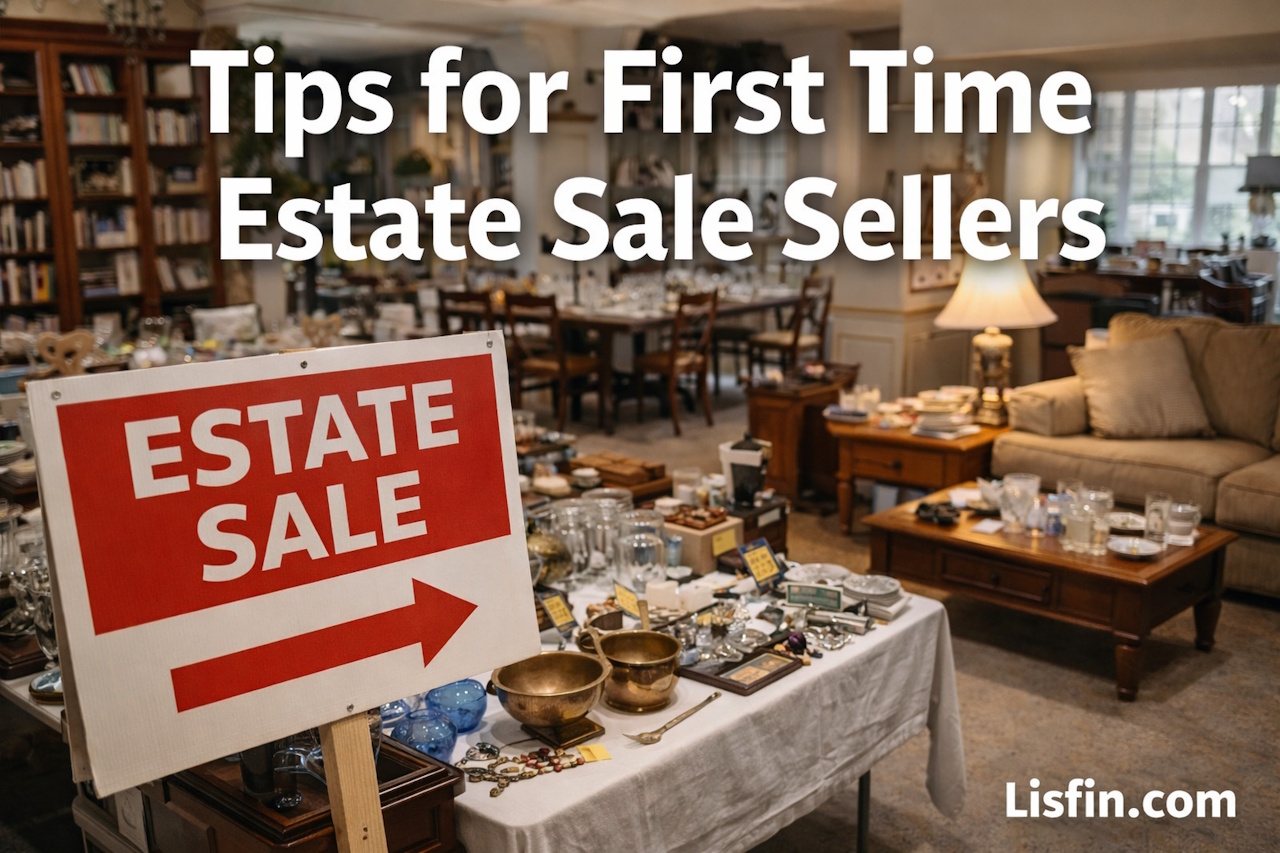
After that, sort by type. Put kitchen items together. Keep books together. Group tools, holiday decor, linens, small furniture, framed art, and collectibles in a way that makes sense. Buyers shop faster and buy more if they can scan a section without hunting through clutter. A crowded home full of loose objects feels like work. A staged home feels shoppable.
You do not need to make the house look fancy, but you do need to make it readable. Clear tabletops, open walking paths, and visible price tags do a lot of heavy lifting. Small items should not be scattered across every room with no structure. If a buyer has to keep asking what is for sale or how much something costs, you are already losing momentum.
Pricing is another place first time estate sale sellers get stuck. Some people price everything too high because the contents feel personal. Others price too low because they want it gone fast. Both can hurt the sale. The better move is to be realistic about common household items and more deliberate with better pieces. Everyday dishes, glassware, kitchen basics, and used decor need practical pricing. Better furniture, tools, collectibles, artwork, or older quality pieces deserve more attention. If you are unsure on a handful of items, take time to look them up before the sale instead of guessing in the middle of it.
Make the Sale Easy to Shop
Traffic flow matters more than many sellers expect. A strong estate sale should feel easy to enter, easy to browse, and easy to check out. If buyers walk in and hit a bottleneck right away, the whole house starts to feel stressful. Open the most visible and attractive rooms first. Let the better furniture, full tables, or strongest display areas help set the tone.
Cashiers and hold areas need a plan, too. Pick one checkout location and keep it consistent. Give buyers a safe spot for items they want to carry later, especially if the house has stairs or a basement. If the sale includes larger pieces, decide ahead of time how pickup will work. Buyers do not like confusion around sold furniture, loading, or timing.
Cleanliness also matters. Estate sales do not need to look polished, but they should not feel neglected. Dusty counters, dim rooms, bad smells, or blocked off areas create friction. Open blinds, turn on lights, and make the place feel active. If the home is full, good lighting and clear sections make a major difference.
Security deserves attention as well. Small valuables, jewelry, coins, and easy to pocket items should stay near staff or in a monitored area. A first time seller can be caught off guard by how quickly small items disappear in a busy room. That does not mean treating buyers like suspects. It means being prepared.
It also helps to think like a buyer who drove in from another part of town. In Erie, a good local sale can still pull serious traffic if the photos are strong. In Cleveland, Buffalo, and Pittsburgh, buyers may be more selective because of longer drive patterns and heavier traffic. In every case, the easier the sale looks to shop, the more likely people are to make the trip.
Promote the Sale Like It Is Worth the Drive
A great estate sale can still underperform if the listing is weak. Buyers look for detail. They want to know the dates, times, location, and the kind of contents they can expect. “Something for everyone” does not help. A better listing might mention furniture, tools, kitchenware, collectibles, books, records, holiday decor, artwork, jewelry, linens, or garage items. Give people something real to react to.
Photos matter just as much as the description. Use bright, clear images that show scale and variety. Wide room shots work well because they show depth. Closer photos should focus on better pieces, not random filler. If the home has a full workshop, quality furniture, or shelves of books, show that. Buyers often decide in seconds if a sale looks worth the stop.
Timing matters too. Do not wait until the last minute to get the listing live. Give local buyers enough time to see it, save it, and fit it into their plans. If you are using a site that helps people find estate sales and other local sale events, make the listing complete from the start. A half finished post can make a strong sale look weak.
On sale day, signs still matter. Even with online listings, people miss turns, doubt addresses, or drive past the right street. Clean signs at major turns and near the house still help. Parking should be thought through in advance as well. If the home sits on a narrow street or a busier block, be realistic about space and guide people where you can.
First time estate sale sellers often assume buyers only care about the items. Buyers care about the entire experience. They want to know the sale is real, worth the drive, and easy to shop. If the house is organized, the pricing is fair, the listing is strong, and the photos tell the truth, you are already ahead of many first time sellers. That does not remove the stress, but it does give the sale a much better chance to succeed.